“In the Skokie Valley we had neither the lake nor the forest falsely promised by our postal address, but we did have what we thought better, the prairie.”
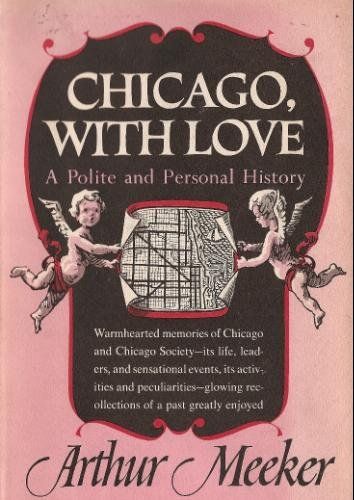
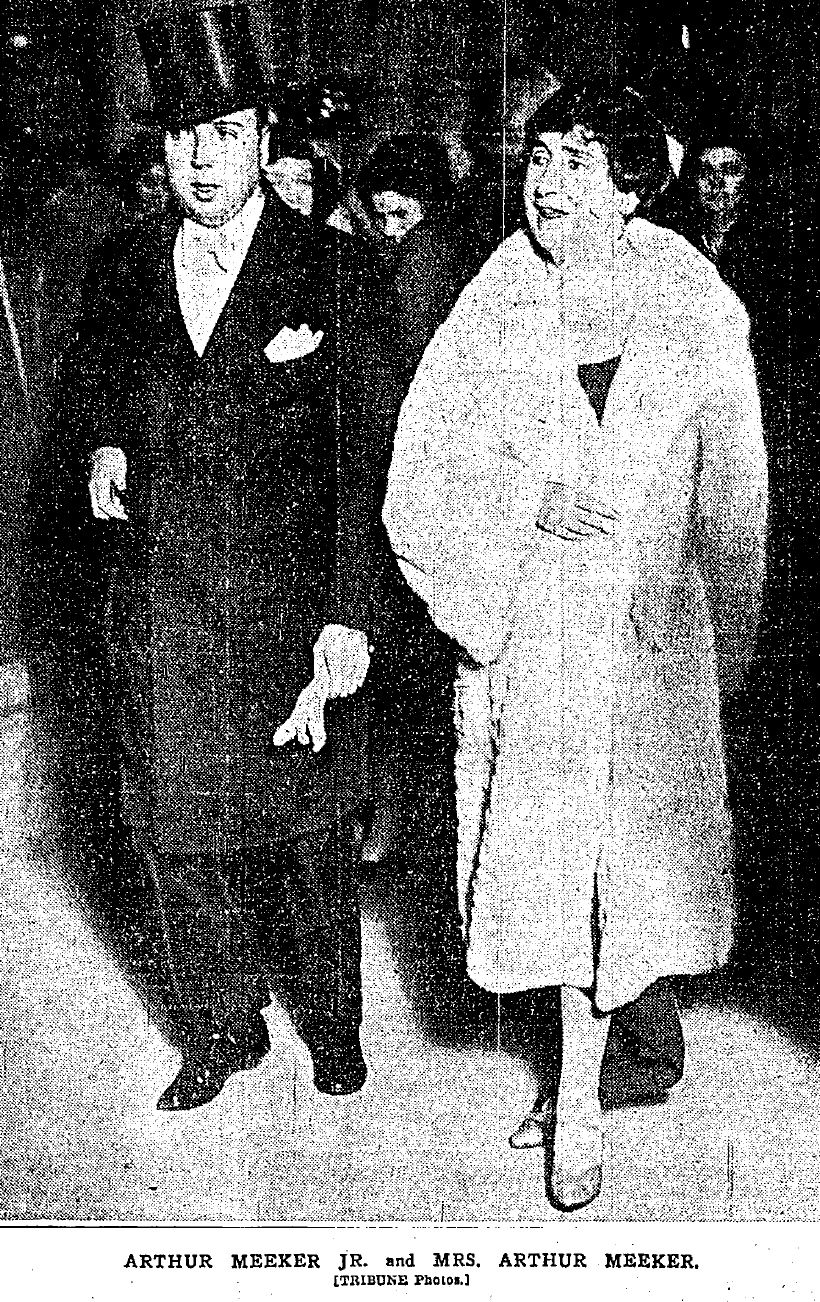
So wrote Arthur Meeker Jr. in his memoir, Chicago, With Love. An acute observer from childhood, and a published novelist by age 26, Meeker often drew inspiration from his experiences growing up in the whirlwind of Chicago society.
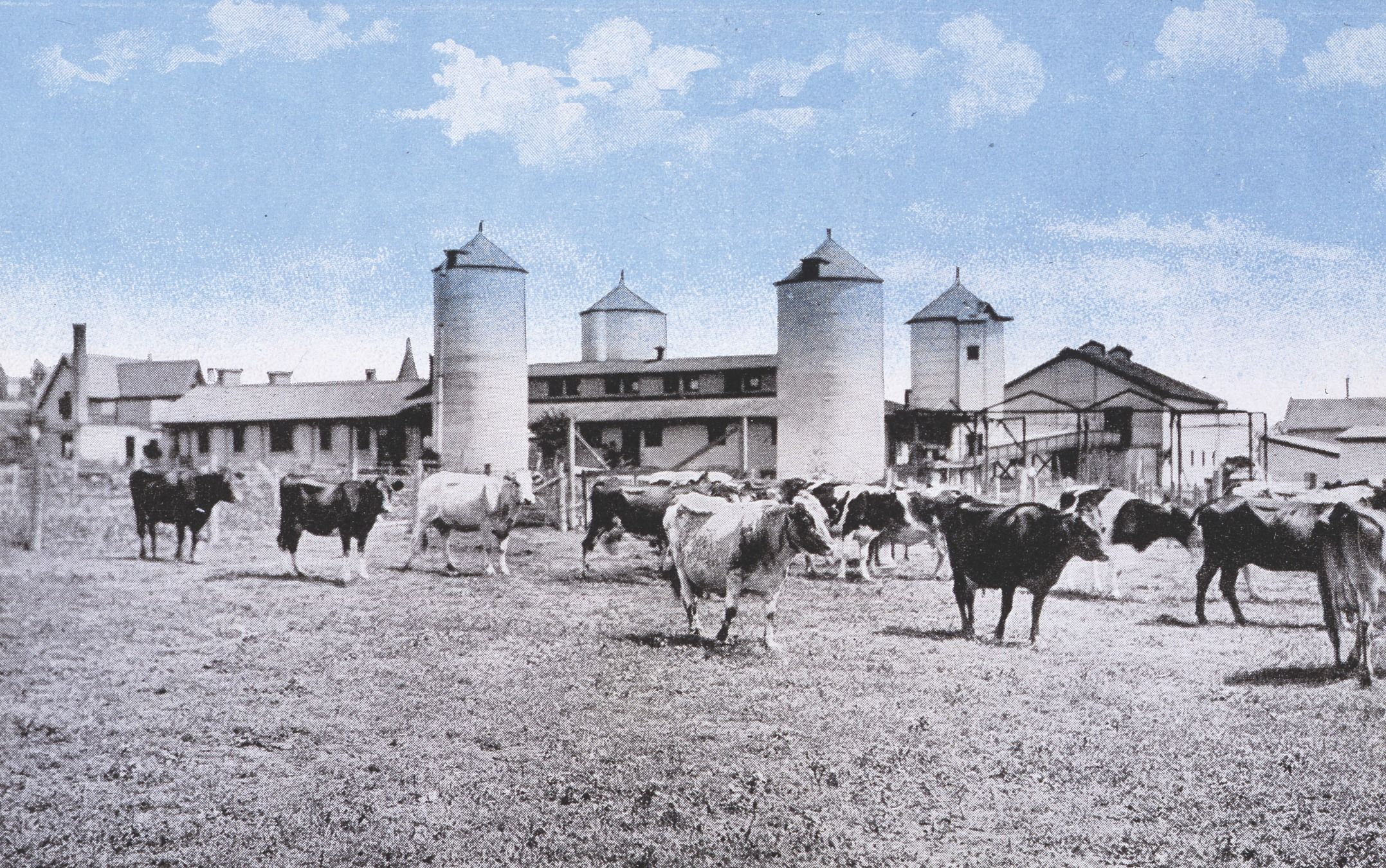
His parents’ west Lake Forest estate, Arcady Farm, provided plenty of scope for the imagination of the young Meekers, with its gardens and orchards, its seemingly endless fields and broad sunsets, and its animals, domestic and exotic.
At Arcady Farm, Arthur and Mary had several pets, including goats that “ran away with monotonous frequency”; “a Shetland mule called Robin with a vicious temper”; a tiny red mule named Arizona “who, when challenged, beat Senator Medill McCormick’s white mule in a thrilling race”; “rabbits and guinea-pigs, kittens galore, several dynasties of dogs, … a flock of ducks that were our dearest possessions”; and “a pet goose with a broken wing.”
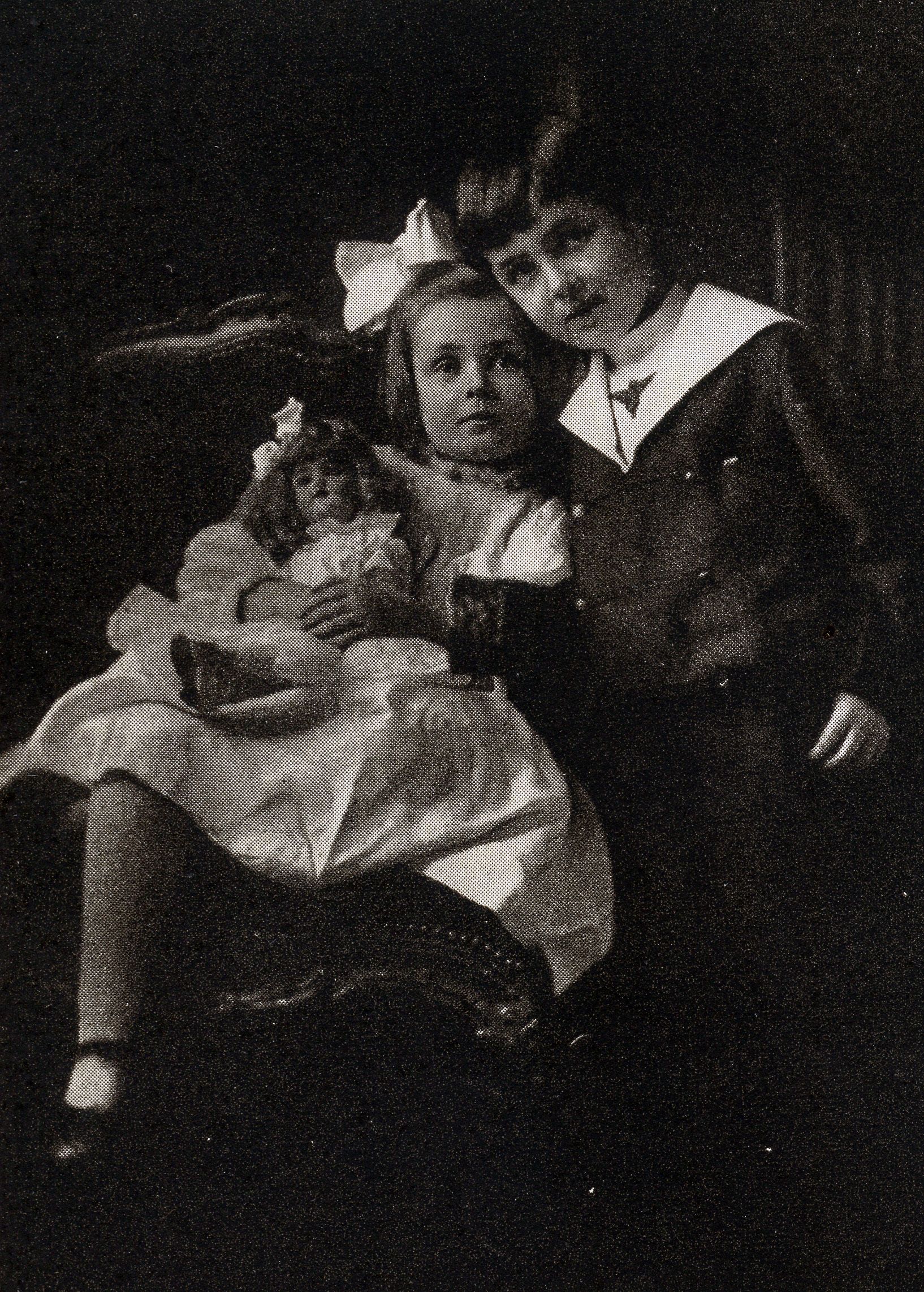
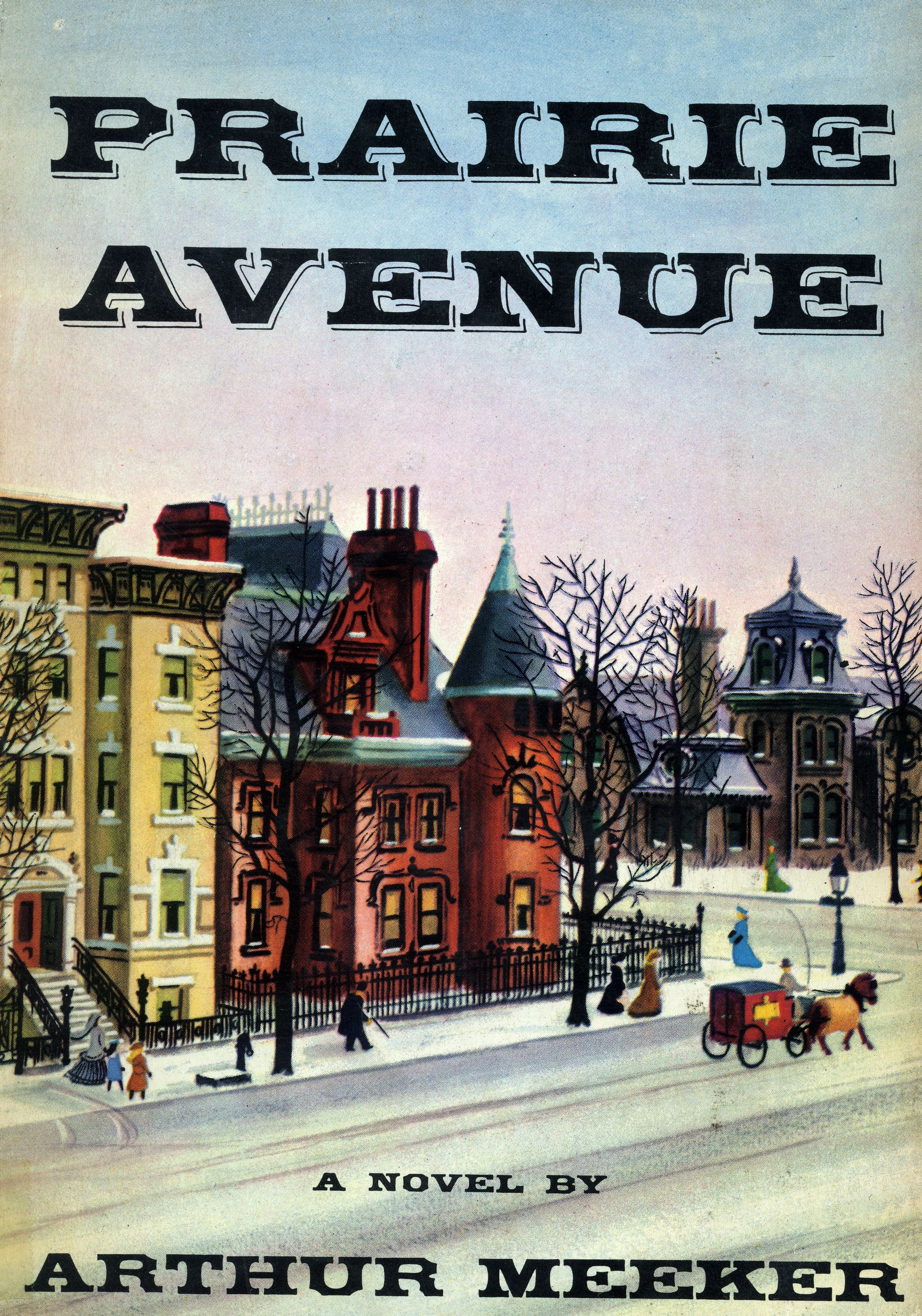
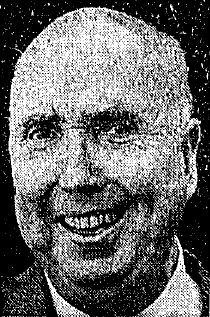
Meeker’s parents, Grace Murray Meeker (pictured, with her son) and Arthur Meeker Sr., were leaders of Chicago society. His father, vice-president of Armour & Co., was a good friend of their Lake Forest neighbor J. Ogden Armour. His mother grew up in a prominent Prairie Avenue family, providing fodder for her son’s 1949 novel, Prairie Avenue.
Meeker’s writing career spanned five decades. Among his eight novels were two bestsellers featured by the popular Book of the Month Club, Prairie Avenue (1949) and The Ivory Mischief (1942) as well as the memoir Chicago, With Love (1955).
Even after years spent trotting the globe as a travel journalist, in the 1950s Meeker thought about returning to the area, but “to my dismay I found this region wasn’t really rural anymore. … The Lake Forest of my childhood had all but vanished.”